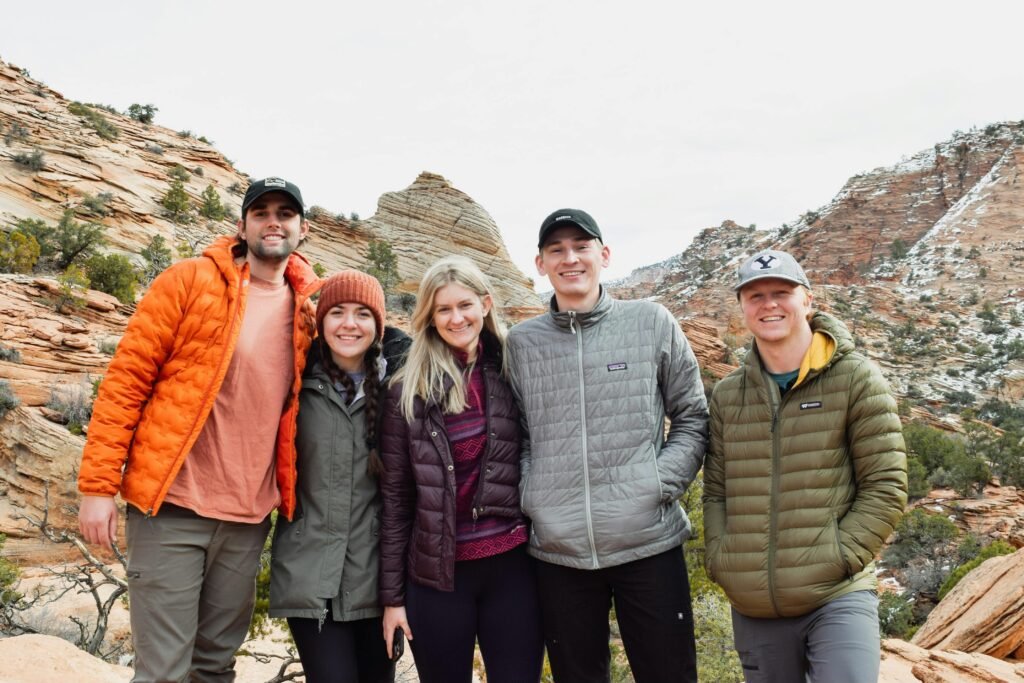
Plan Your National Park Trip
When to Go
Timing can make or break your trip – learn the best seasons to visit based on weather, crowds, and activities.
Spring (March – May): A great time to visit for mild temperatures, blooming landscapes, and fewer crowds. Some higher elevation areas may still have snow, but many parks begin to come alive during this season.
Summer (June – August): The most popular time to visit, offering warm weather and full access to trails and activities. Expect larger crowds, especially in well-known parks, and plan ahead for reservations.
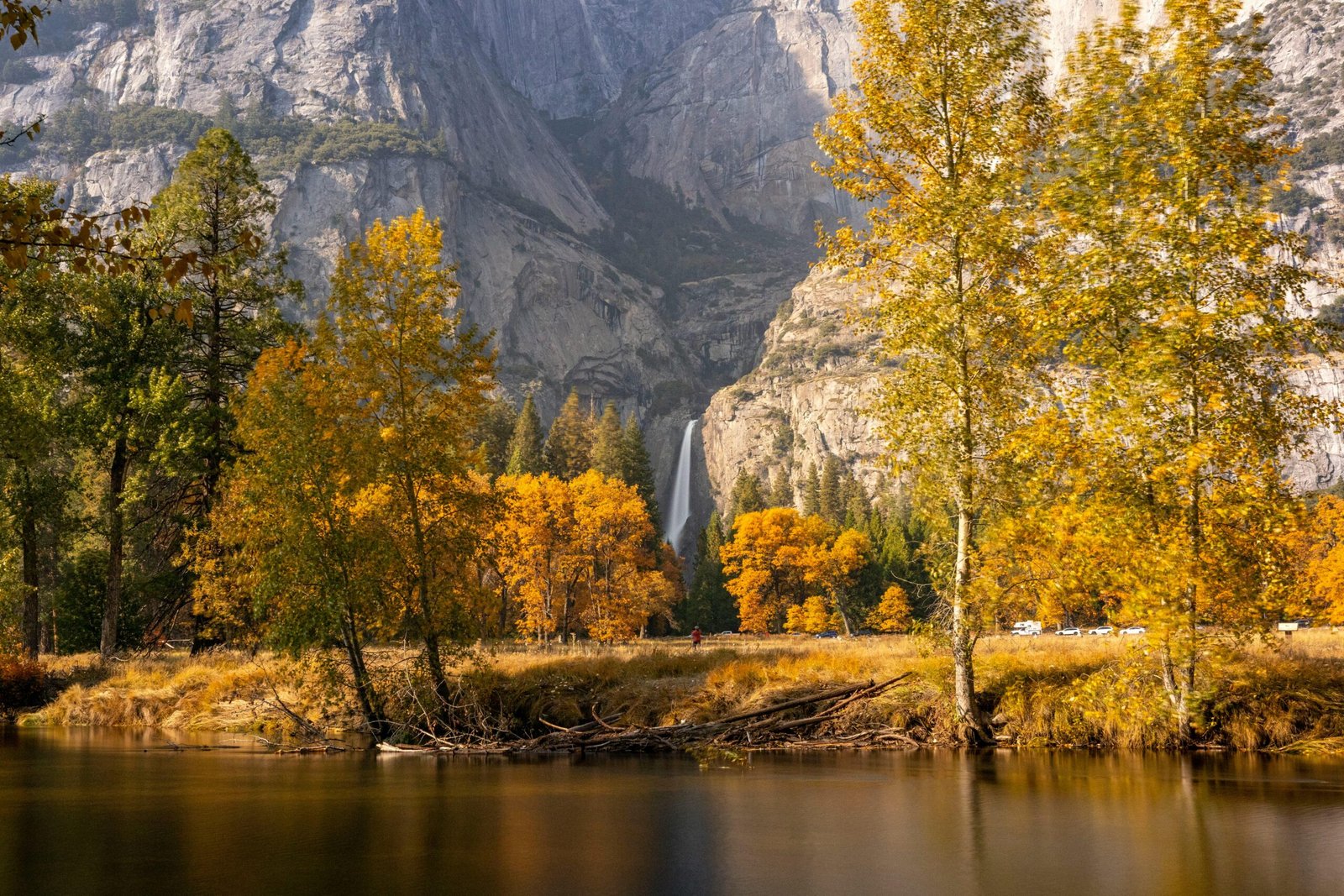
Fall (September – November): Ideal for cooler temperatures, fewer visitors, and beautiful fall colors in many parks. This is one of the best times for a more relaxed and scenic experience.
Winter (December – February): A quieter, more peaceful time to explore with fewer crowds. Some areas may be closed due to snow, but winter offers unique views, wildlife activity, and opportunities for snow-based activities.
Best Parks for Your Ideal Travel Times:
Travel & Transportation
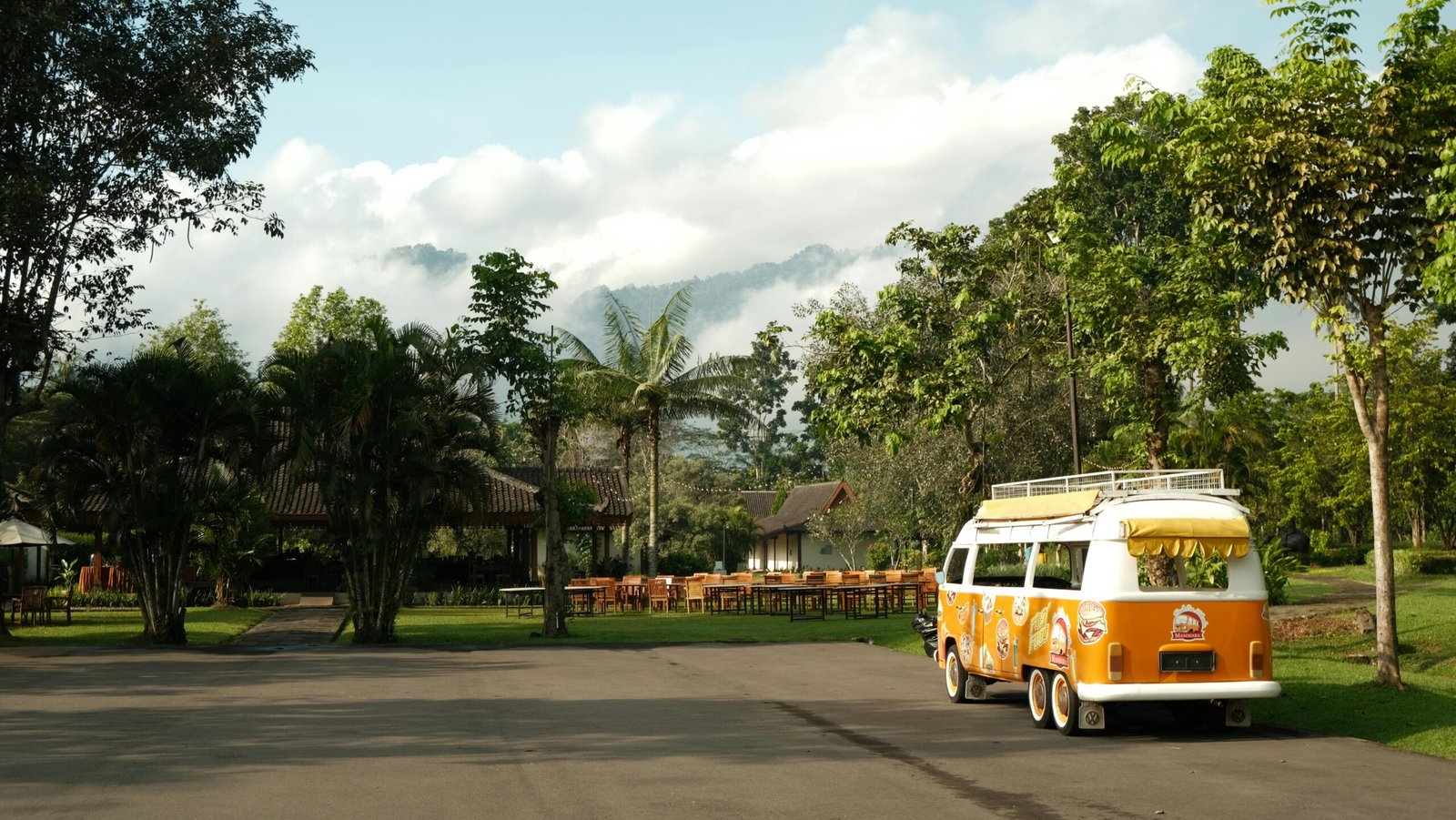
Getting to and around national parks takes a bit of planning, but the right approach can make your trip smooth and stress-free. From nearby airports to driving routes and in-park transportation, here’s what you need to know before you go.
Airports & Getting There
Most national parks are located far from major cities, so you’ll likely fly into the nearest regional airport and drive the rest of the way. Be sure to check distances and plan ahead, as some parks are several hours from the closest airport.
Rental Cars & Driving
Renting a car is often the best way to explore national parks. It gives you the flexibility to visit viewpoints, trailheads, and nearby areas at your own pace. Make sure to book early during peak seasons, as availability can be limited. Driving Routes: Many parks feature scenic drives that are part of the experience. Plan your routes to maximize your time and avoid unnecessary backtracking.
Shuttles & Local Transportation
Some parks offer shuttle systems to reduce traffic and make getting around easier. These can be especially helpful in busy parks where parking is limited.
Get Ready for Your Next National Park Trip
Where to Stay
Choosing the right place to stay can shape your entire trip. Whether you prefer camping under the stars or relaxing in a comfortable lodge, national parks offer a range of options both inside and nearby.
Lodges & Hotels
Many parks offer lodges with convenient access to major attractions. Nearby towns also provide a variety of hotels and accommodations for different budgets and comfort levels.
Campgrounds
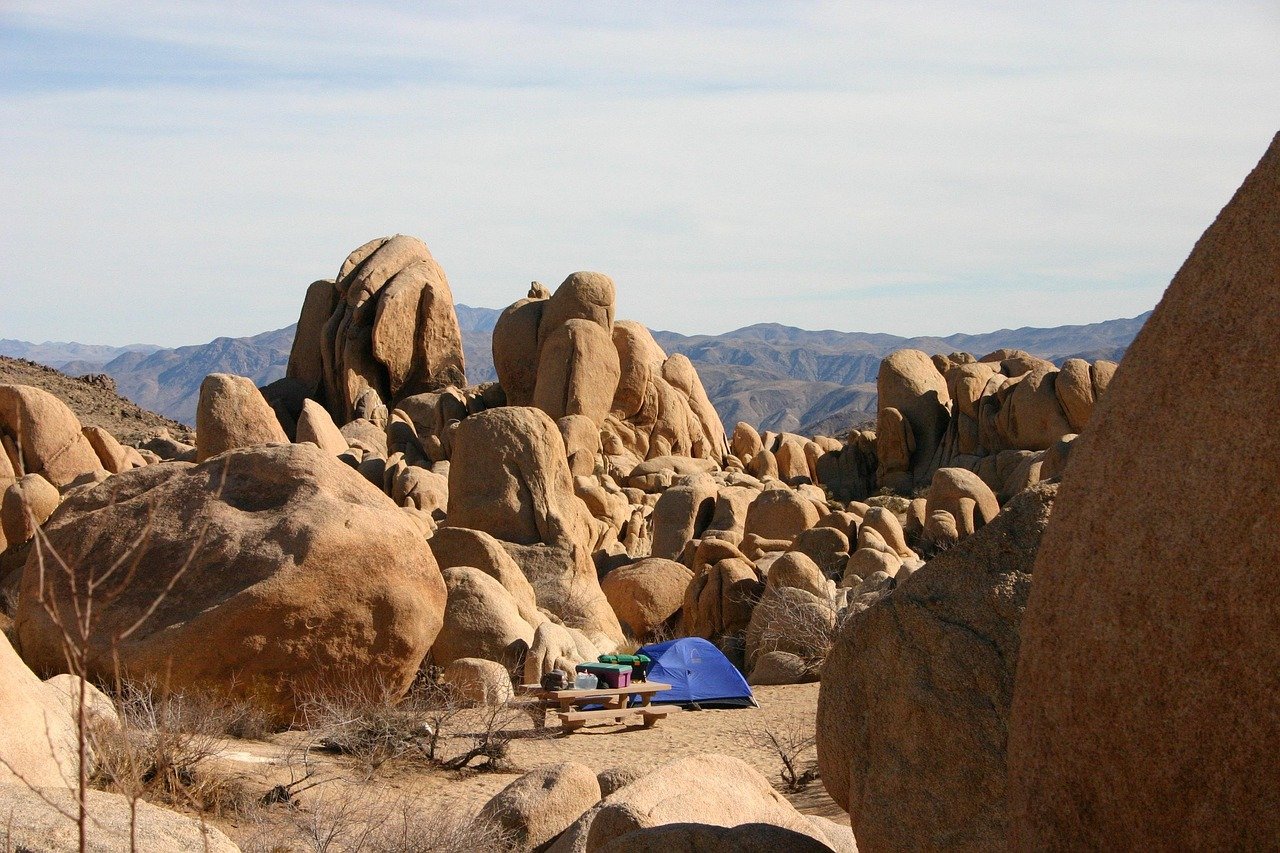
Camping is one of the best ways to fully experience a national park. From developed campgrounds with amenities to more remote sites, there are options for every type of camper.
Nearby Stays
Staying just outside the park can offer more availability, lower costs, and additional dining and activity options while still keeping you close to the action.
Check Out Our Travelers’ Favorite Places to Stay.
Packing & Preparation
Being prepared can make all the difference in your national park experience. From the right gear to basic safety essentials, a little planning ensures you’re ready for whatever the outdoors brings.
What to Pack
Pack based on the season and activities you have planned. Essentials often include comfortable clothing, sturdy shoes, water, snacks, sun protection, and layers for changing weather conditions. View our travellers’ packing list here.
Gear & Essentials
Depending on your trip, you may need additional gear like hiking boots, backpacks, navigation tools, or camping equipment. Always bring more water than you think you’ll need
We’re here to help! Contact us here.
8 Years Experience
5 Star Rating
Trustworthy Reviews
Dedicated Support